Fetch
Fetch
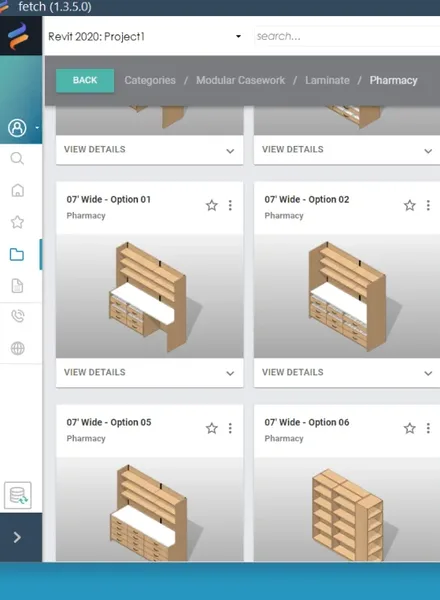
A Revit plugin that puts manufacturer-accurate families one click away and keeps them synced to live product data.
- Revit
- C#
- React
Kyle Bruxvoort
things I've made
A Revit plugin that puts manufacturer-accurate families one click away and keeps them synced to live product data.
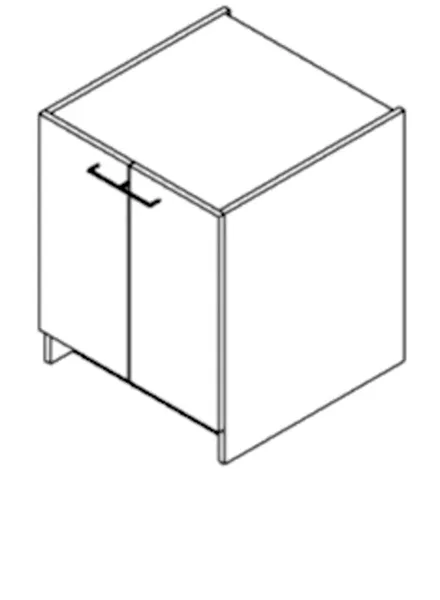
Gives an AI agent the Revit Family Editor, so a product cut sheet becomes a family that flexes correctly.
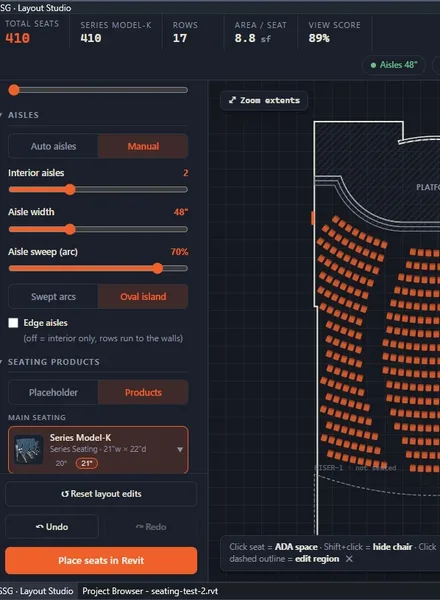
Space planning inside Revit. Import a room, lay out the seats, then place them in the model.
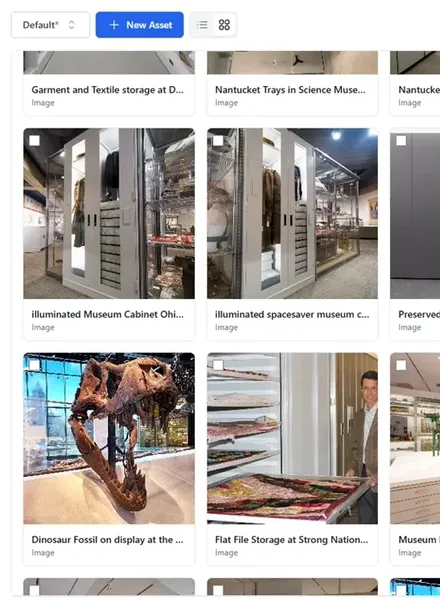
One record for SSG product data. Hundreds of manufacturers, one structure, read by Fetch and every tool after.
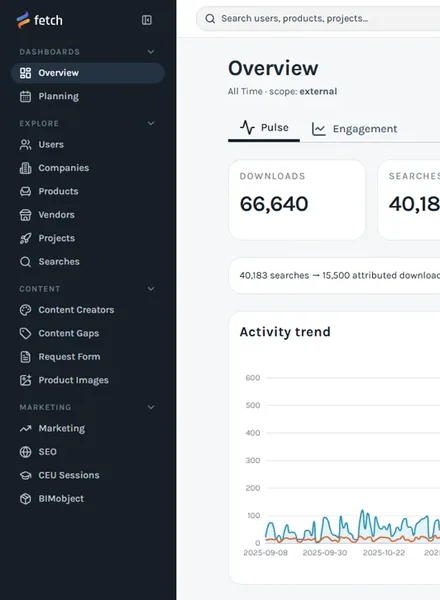
A live dashboard for deciding what to build next, what to fix, and which pages rank without earning clicks.
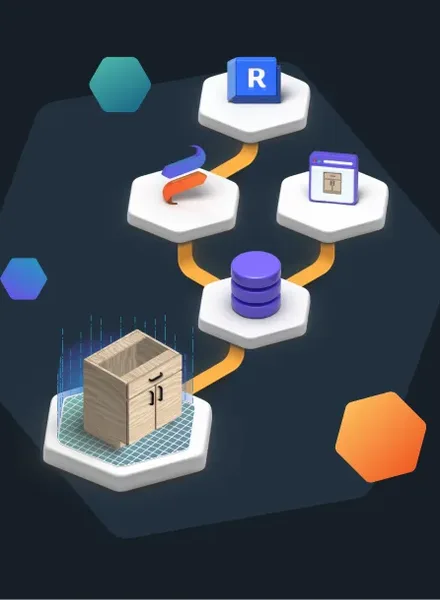
Redesign of fetchbim.com. Identity, a component library, and the pages architects use to find Revit families.
pyRevit scripts that enforced our Revit content standard, later rebuilt in C# as the plugin the team uses now.
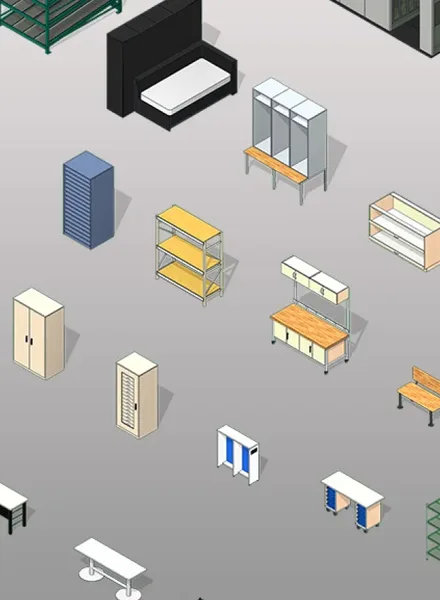
SSG's move to BIM. I wrote the content standard the library still runs on, covering naming, parameters and detail.
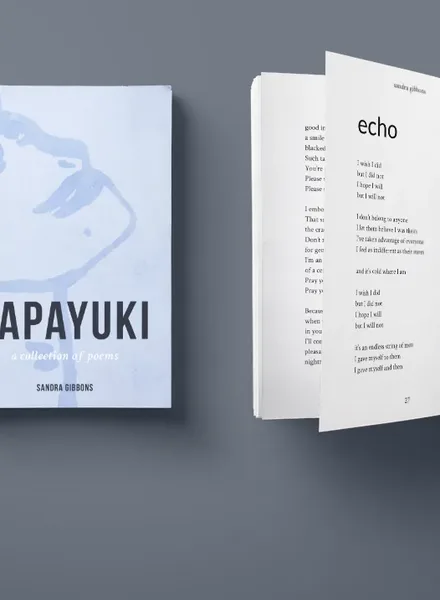
Cover and interior for a poetry collection, in print and ebook, where the layout has to hold the line breaks.

Drag · throw · click to flip · 9 projects
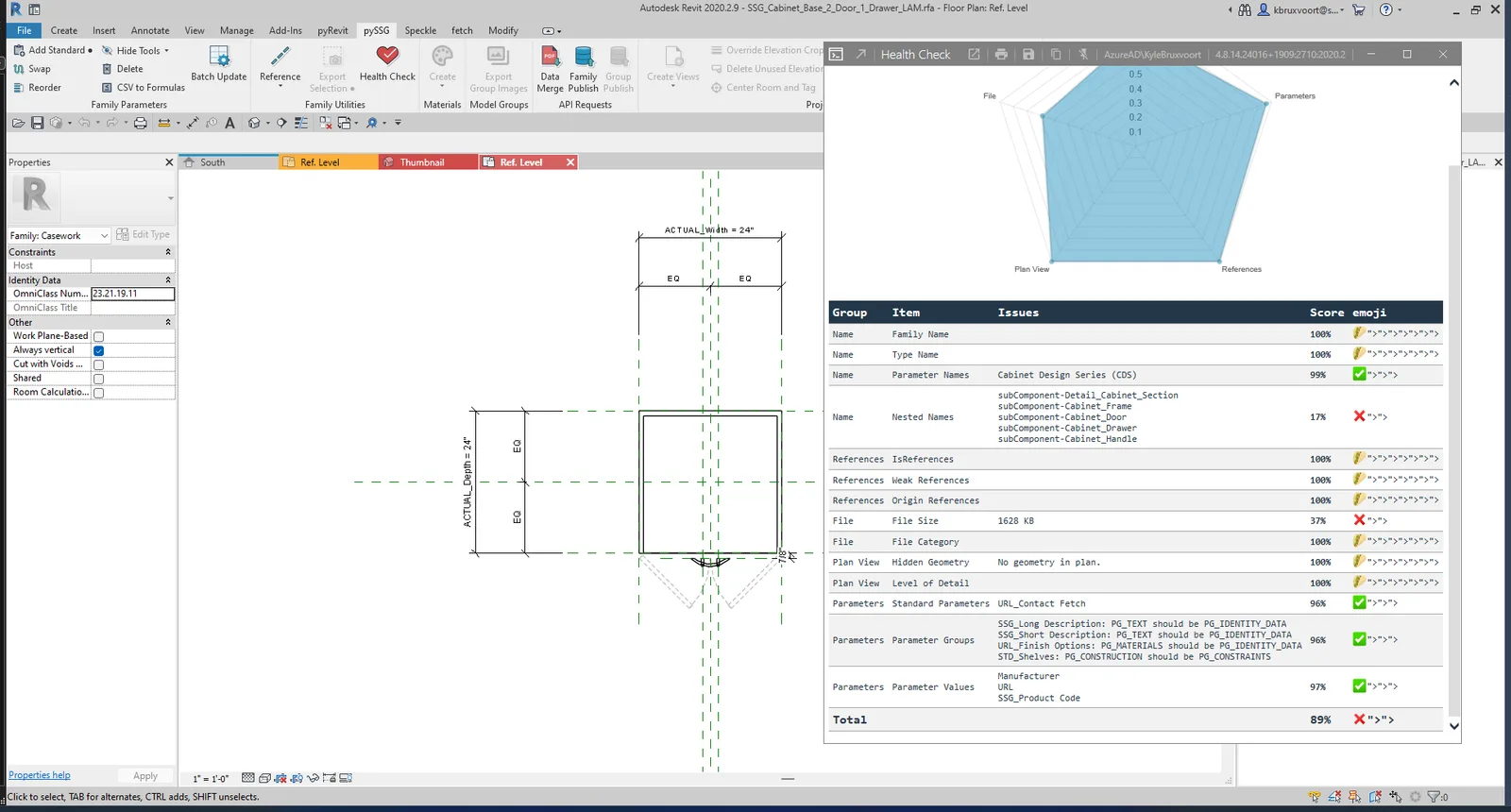
The problem. A content library only holds its standard if something checks. Ours had a written standard and no way to enforce it, so families drifted the moment anyone edited one.
What I built. Health Check scores a family against the standard and shows where it fails. Nested family names, missing reference planes, parameters in the wrong group, geometry that will not show in plan. Batch Update applies a parameter change across the whole library instead of one file at a time. Auto Dimension places the dimensions a family needs to flex.
I wrote it in Python on pyRevit because that put it in people's hands in a week. It ran there for two years. Then the same tools got rebuilt in C# inside our own Revit plugin, where they sit behind a command palette alongside everything else the team uses, and where an AI render can now turn a finished family into a product photo. The Python version is how we knew which tools were worth writing twice.